
Contents
Overview
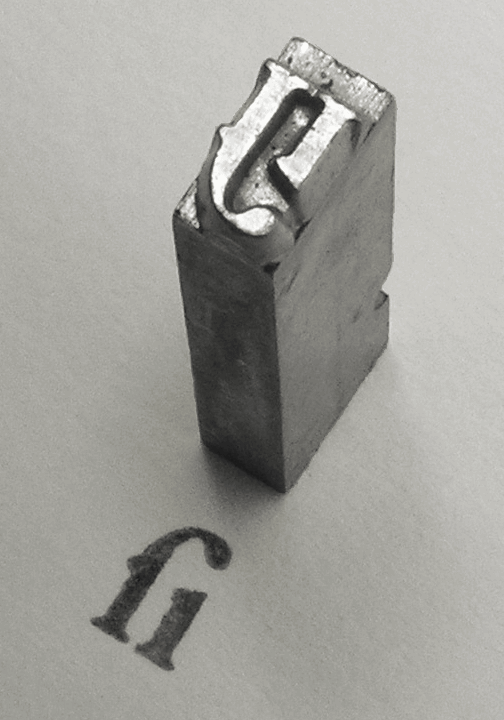
The history of typography spans thousands of years, with roots in ancient writing systems and the development of printing technologies. From the earliest punches and dies used to make seals and coinage to the modern digital era, typography has evolved significantly over time. The invention of the printing press by Johannes Gutenberg in the 15th century marked a major milestone in the history of Western typography, leading to the widespread use of blackletter, roman, and italic types. Today, typography continues to play a vital role in communication, with designers and artists pushing the boundaries of type design and experimentation. With a rich history and a vibrant present, the world of typography is a fascinating and dynamic field that continues to inspire and influence creatives around the world. The history of typography is a story of innovation, experimentation, and artistic expression, with key developments including the introduction of movable type, the emergence of new font styles, and the impact of digital technology on the craft. From the intricate designs of ancient manuscripts to the bold and modern fonts of today, typography has come a long way, shaped by the contributions of countless individuals and the advancements of technology. As we look to the future, it's clear that typography will continue to evolve, adapting to new technologies and design trends while remaining a fundamental aspect of human communication.
🎨 Origins & History
The history of typography is a long and complex one, with roots in ancient civilizations and the development of writing systems. The earliest forms of typography date back to the use of punches and dies to create seals and coinage, with examples found in ancient cultures such as the Egyptians, Greeks, and Romans. The introduction of movable type by Johannes Gutenberg in the 15th century revolutionized the printing industry, making it possible to mass-produce books and other written materials. This led to a proliferation of printed materials, including books, newspapers, and posters, and helped to spread knowledge and ideas across Europe. As the printing industry evolved, so did the art of typography, with the development of new font styles, such as blackletter, roman, and italic, and the introduction of new printing technologies, such as the rotary press. Today, typography is a vital part of modern design, with designers and artists using a wide range of font styles and techniques to communicate messages and create visual interest. The work of renowned typographers such as Adrian Frutiger and Herb Lubalin has had a significant impact on the development of modern typography, and their influence can still be seen in the design of fonts and typography today.
⚙️ How It Works
The mechanics of typography involve the use of typefaces, which are sets of characters, such as letters and numbers, that are designed to work together to create a cohesive visual appearance. Typefaces can be classified into different categories, such as serif, sans-serif, and script, each with its own unique characteristics and uses. The selection of a typeface is a critical aspect of typography, as it can greatly affect the readability and aesthetic appeal of a piece of text. In addition to typefaces, typography also involves the use of other design elements, such as line spacing, margins, and color, to create a visually appealing and effective design. The use of digital technology has greatly expanded the possibilities of typography, allowing designers to create complex and intricate designs with ease. The development of new font formats, such as OpenType, has also enabled the creation of more sophisticated and flexible typefaces, with advanced features such as ligatures and swashes. The work of organizations such as the Typographic Society has helped to promote the art of typography and provide a platform for designers to share their work and ideas.
📊 Key Facts & Numbers
Some key facts about typography include the fact that Helvetica, Times New Roman, and Arial are among the most popular typefaces, widely used in a variety of contexts, from advertising and marketing to publishing and education. The development of new font technologies, such as variable fonts, is also expected to have a major impact on the industry, enabling the creation of more flexible and adaptable typefaces. The work of companies such as Monotype and Linotype has been instrumental in shaping the modern typography industry, with their contributions to the development of new font technologies and design tools. The influence of typography can also be seen in the work of artists and designers, such as Paula Scher and Stefan Sagmeister, who have used typography as a key element in their designs.
👥 Key People & Organizations
Some key people and organizations in the history of typography include Johannes Gutenberg, who invented the movable-type printing press, and William Morris, who was a major influence on the development of modern typography. Other notable figures include Eric Gill, who designed the famous Gill Sans typeface, and Paul Rand, who was a leading figure in the development of modern graphic design. The ATypI (Association Typographique Internationale) is a major organization that promotes the art of typography and provides a platform for designers to share their work and ideas. The work of these individuals and organizations has helped to shape the modern typography industry, and their influence can still be seen in the design of fonts and typography today. The development of new font styles and technologies has also been driven by the work of companies such as Google, which has released a range of open-source fonts, including Open Sans and Lato.
🌍 Cultural Impact & Influence
The cultural impact and influence of typography are significant, with typography playing a major role in shaping the visual identity of brands, companies, and institutions. The use of typography can greatly affect the way a message is perceived and understood, with different typefaces and design elements conveying different emotions and ideas. The development of new font styles and technologies has also enabled the creation of more complex and sophisticated designs, with the use of typography becoming an increasingly important aspect of modern design. The influence of typography can be seen in a wide range of contexts, from advertising and marketing to publishing and education. The work of designers such as Massimo Vignelli and Bob Noorda has had a significant impact on the development of modern typography, and their influence can still be seen in the design of fonts and typography today. The use of typography has also been influenced by the work of artists and designers, such as Barbara Kruger and John Baldessari, who have used typography as a key element in their designs.
⚡ Current State & Latest Developments
The current state of typography is one of rapid change and development, with new font styles and technologies being released all the time. The use of digital technology has greatly expanded the possibilities of typography, allowing designers to create complex and intricate designs with ease. The development of new font formats, such as OpenType, has also enabled the creation of more sophisticated and flexible typefaces, with advanced features such as ligatures and swashes. The influence of social media and other digital platforms has also had a significant impact on the development of modern typography, with the use of typography becoming an increasingly important aspect of online design. The work of companies such as Fontself and TypeTogether is helping to drive the development of new font technologies and design tools, and their influence can be seen in the design of fonts and typography today. The use of typography has also been influenced by the work of designers such as Jessica Hische and Tobias Frere-Jones, who have used typography as a key element in their designs.
🤔 Controversies & Debates
Some controversies and debates in the world of typography include the issue of font piracy, with many designers and companies struggling to protect their intellectual property in the digital age. The use of typography in advertising and marketing has also been the subject of controversy, with some critics arguing that the use of certain typefaces and design elements can be misleading or deceptive. The development of new font technologies, such as variable fonts, has also raised questions about the future of typography, with some designers and companies arguing that these technologies will have a significant impact on the industry.
🔮 Future Outlook & Predictions
As typography continues to evolve, it's clear that it will remain a vital part of modern design, with designers and artists pushing the boundaries of type design and experimentation. With a rich history and a vibrant present, the world of typography is a fascinating and dynamic field that continues to inspire and influence creatives around the world.
Key Facts
- Category
- typography-tips
- Type
- topic